Building Rapport with Middle & High School Students: The Foundation for a Successful Year in Speech & Language Therapy

Starting the school year with older students can feel like stepping into a whole new world compared to working with younger children. Adolescents are navigating independence, their identity, and a mix of social and academic pressures. How you connect with your students early on can make or break your progress for the year.
Building rapport isn’t just about being friendly, it’s about laying a foundation of trust, respect, and mutual understanding that fuels engagement and growth. Here’s why it matters and how to make it happen from the very first session.
Why Rapport Matters in Speech & Language Therapy
- It Encourages Buy-In: Middle and high school students are more likely to participate fully when they feel you genuinely care about them. When students feel comfortable with you, they’re more open to stepping outside their comfort zone, whether that means tackling a difficult writing assignment or sharing their thoughts during a group discussion.
- It Reduces Resistance: Without rapport, speech and language therapy can feel like “just another class” or, worse, “extra work” that pulls them away from friends or electives they enjoy. This mindset can lead to minimal effort, short responses, or disengagement. When you take the time to build a positive relationship, students see you as an ally rather than an authority figure assigning more work. They’re more likely to stay present, try new strategies, and even admit when they’re struggling because they know you’re there to support them, not judge them.
- It Creates a Safe Space: Many students you see may have experienced academic struggles or social difficulties tied to their speech or language challenges. Strong rapport helps them feel safe enough to make mistakes in your room, knowing it won’t define them. When they trust that your sessions are a judgment-free zone, they’re more willing to take risks, ask questions, and be vulnerable.
- It Sets the Tone for the Year: The first few weeks lay the foundation for the year. How students perceive you now will influence their effort, consistency, and openness all year long. If they feel respected, heard, and supported from the start, they’re more likely to maintain that level of engagement throughout the year.

How to Build Rapport in the First Weeks
- Learn About Their Lives Beyond the Therapy Room: Ask your students about their hobbies, sports, music preferences, or favorite shows. Showing genuine curiosity demonstrates that you value them as whole people, not just as students working on goals. You can even create vision boards together to give them a fun, visual way to share their interests, goals, and dreams.
- Incorporate Their Interests into Therapy: One of the easiest ways to engage students is by connecting therapy to what they already enjoy. To make this even easier, we offer a resource filled with high-interest topics for older students, helping make therapy more meaningful and motivating.
- Give Them a Voice in the Process: Offer choices in activities, topics, or how they want to track their progress. When students have a say in their therapy, they take more ownership and are naturally more engaged and motivated.
- Be Consistent and Reliable: Show up prepared, keep your promises, and follow through. Reliability builds trust, and trust is at the heart of rapport.
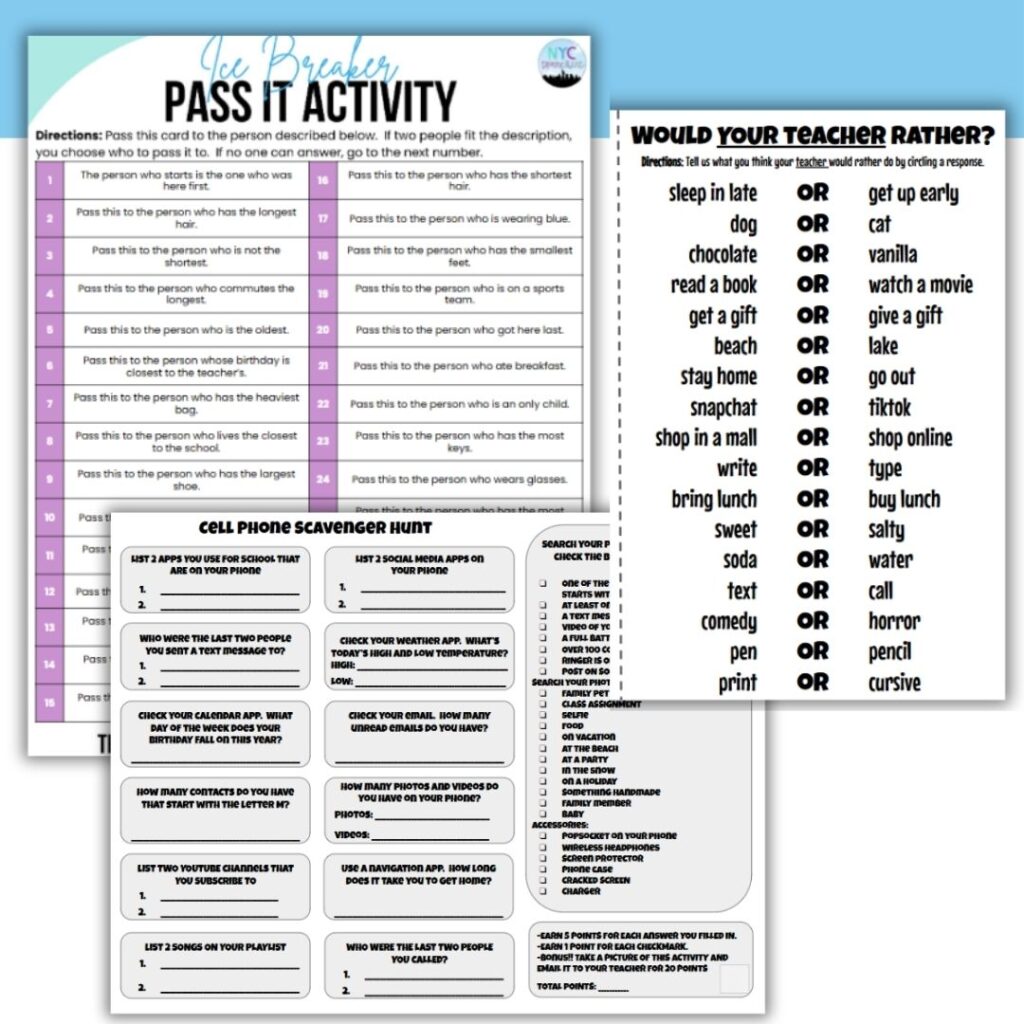
- Use Ice Breakers and Low-Pressure Conversations: Start sessions with quick, fun questions or a “one-word check-in.” These little moments of connection can set a positive tone before diving into the work.
- Share a Bit About Yourself: Letting students learn small, age-appropriate details about your hobbies, favorite shows, or interests helps them see you as a real person. When you open up, it builds trust and makes it easier for them to connect and relate to you.
When you invest in rapport early, you’ll notice an increase in participation, students initiating conversations and asking questions, a stronger sense of mutual respect, and carryover of skills into the classroom and social settings. Ultimately, building rapport isn’t an “extra” step, it’s the foundation that makes everything else possible. By connecting first and teaching second, you create an environment where students feel supported, challenged, and ready to succeed.
To help make building rapport even easier, our Ice Breaker Bundle is designed specifically for speech and language therapists working with middle and high school students. This ready-to-use resource includes a variety of engaging, no-prep activities that help students get to know each other, practice communication skills, and feel more comfortable participating in group sessions. By using these ice breakers, therapists can quickly establish a positive environment, not just between themselves and their students, but also among peers in the group, setting the stage for a successful and collaborative year.